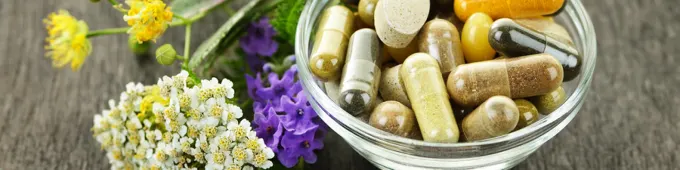
Natural Remedies for Enlarged Prostate That Actually Work
 Larry Kelly on
  0
0
 0
0
Enlarged prostate, medically known as benign prostatic hyperplasia (BPH), is a common condition among older men. As the prostate gland enlarges, it can lead to uncomfortable symptoms such as frequent urination, difficulty starting or stopping urination, and a weak urine stream. While there are pharmaceutical options available to manage these symptoms, many individuals are turning to natural remedies for relief. Here, we explore some natural remedies for an enlarged prostate that have shown promise.
One of the most well-known natural remedies for an enlarged prostate is saw palmetto, derived from the fruit of the Serenoa repens plant. Research suggests that saw palmetto may help improve urinary function and reduce the symptoms associated with BPH. It is believed to work by blocking the production of dihydrotestosterone (DHT), a hormone that contributes to prostate growth. Saw palmetto is often available in capsule or extract form, making it easy to incorporate into your daily routine.
Another effective remedy is pygeum, extracted from the bark of the African plum tree. Pygeum has been studied for its potential to alleviate urinary symptoms related to an enlarged prostate. Some studies indicate that it may help reduce nighttime urination and improve overall urinary flow. A typical dosage involves taking 100 to 200 mg of pygeum extract daily.
Pumpkin seeds are another natural option worth considering. Rich in zinc and other beneficial nutrients, pumpkin seeds have been associated with improved prostate health. Zinc plays a crucial role in maintaining a healthy prostate and may help mitigate some of the symptoms associated with BPH. You can enjoy pumpkin seeds as a snack, sprinkle them on salads, or even add them to smoothies for a nutritious boost.
Stinging nettle root is yet another herbal remedy that may support prostate health. This plant has long been used in traditional medicine to treat symptoms of BPH. Some research suggests that stinging nettle may work synergistically with saw palmetto to help alleviate urinary symptoms. It can be consumed in capsule form or as a tea, making it a versatile addition to your wellness routine.
In addition to these remedies, lifestyle changes can further contribute to prostate health. Regular exercise has been shown to improve overall health and may help alleviate symptoms of an enlarged prostate. Engaging in activities such as walking, swimming, or cycling can enhance blood flow, reduce stress, and promote hormone balance. Additionally, maintaining a healthy weight can help reduce pressure on the bladder and prostate.
A balanced diet rich in fruits, vegetables, healthy fats, and whole grains is essential for prostate health. Foods high in antioxidants, such as berries, tomatoes, and leafy greens, provide nutrients that may help mitigate inflammation and promote overall wellness. Studies have also shown that omega-3 fatty acids found in fatty fish, walnuts, and flaxseeds can support prostate health and reduce inflammation.
Staying hydrated is crucial, but you may want to manage your fluid intake in the evening to reduce nighttime trips to the bathroom. If you do need to urinate at night, try to limit caffeine and alcohol close to bedtime, as they can irritate the bladder and increase urgency.
Lastly, if you’re looking for a supplement specifically aimed at supporting prostate health, consider ViriFlow for prostate health. It contains a blend of natural ingredients designed to promote urinary function and overall prostate health.
In conclusion, while an enlarged prostate can be uncomfortable and sometimes distressing, numerous natural remedies and lifestyle changes can help manage symptoms effectively. By incorporating herbal supplements like saw palmetto, pygeum, and stinging nettle, alongside a healthy diet and regular exercise, you can take proactive steps toward maintaining your prostate health without solely relying on medication. Always consult a healthcare professional before beginning any new supplement or making significant lifestyle changes.


