Restore Gut Balance to Support Lifelong Wellness
 Larry Kelly on
  0
0
 0
0
The importance of gut health has gained significant attention in recent years, and for a good reason. Our gut, often referred to as our “second brain,” plays a crucial role in our overall well-being. It’s where digestion occurs, nutrients are absorbed, and a vast majority of our immune system resides. Restoring gut balance is not just about avoiding discomfort; it’s about fostering lifelong wellness.
The human gut is home to trillions of microorganisms, known collectively as the gut microbiota. These microorganisms, including bacteria, fungi, and viruses, contribute to various bodily functions, including digestion, metabolism, and even mood regulation. A balanced gut microbiome supports optimal nutrient absorption, helps in synthesizing vitamins, and acts as a barrier against harmful pathogens. However, factors such as poor diet, stress, antibiotic overuse, and environmental toxins can disrupt this delicate balance, leading to digestive issues, inflammation, and a host of other health problems.
One of the most immediate steps in restoring gut balance is to pay attention to diet. Consuming a diverse range of foods is essential for a healthy gut microbiome. Aim to include plenty of fiber-rich fruits, vegetables, legumes, and whole grains in your meals. These foods not only nourish beneficial gut bacteria but also promote regular bowel movements, reducing the likelihood of constipation and other digestive issues. Additionally, incorporating fermented foods like yogurt, kefir, sauerkraut, and kimchi can introduce beneficial probiotics into your diet, further supporting gut health.
Hydration is another key component in maintaining a balanced gut. Drinking plenty of water aids in digestion and the absorption of nutrients. It’s vital for the mucosal lining of the intestines and supports the movement of food through the digestive tract, which helps to prevent bloating and discomfort.
Managing stress is an often-overlooked factor in gut health. The brain and gut are closely connected in what is known as the gut-brain axis. Stress can lead to changes in gut motility and increase the production of stomach acid, contributing to conditions such as irritable bowel syndrome (IBS). Practicing stress-reduction techniques such as meditation, yoga, or deep-breathing exercises can greatly improve both your mental well-being and gut health.
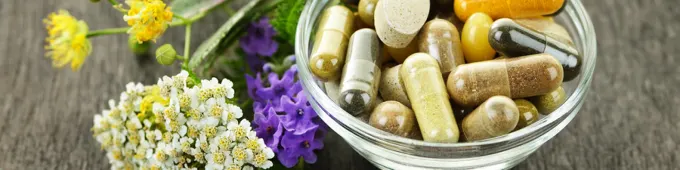
In some cases, dietary changes and stress management may not be enough to restore gut balance on their own. This is when it can be beneficial to consider supplements that specifically target gut health. One such option is SynoGut, a natural supplement formulated to support digestive health through a blend of prebiotics, probiotics, and other gut-friendly ingredients. By aiding in digestion and promoting a healthy microbiome, SynoGut can be a valuable tool in your journey toward improved gut health.
Regular physical activity is also beneficial for gut health. Exercise stimulates the muscles in the intestines, promoting regular bowel movements. It can also enhance the diversity of the gut microbiome, supporting a more robust community of beneficial bacteria. Aim for at least 150 minutes of moderate aerobic activity each week, combined with strength training exercises on two or more days for optimal health benefits.
Lastly, it’s essential to consult with healthcare professionals when making significant changes to your diet or trying new supplements, especially if you have existing health conditions or are taking medication. Every individual’s gut is unique, and what works for one person may not work for another.
In summary, restoring gut balance is a multifaceted approach that includes a healthy diet, hydration, stress management, physical activity, and potentially beneficial supplements like SynoGut. By taking steps to support your gut health, you are investing in your overall wellness, paving the way for a healthier, happier life. Remember, a balanced gut is foundational to lifelong well-being; prioritize it and reap the benefits for years to come.


